The Role of Predictive Analytics in Insurance Claims BPO

How Outsourcing Accelerates Claims Processing Times
April 24, 2026
How Insurance BPO Improves Claims Accuracy and Settlements
May 5, 2026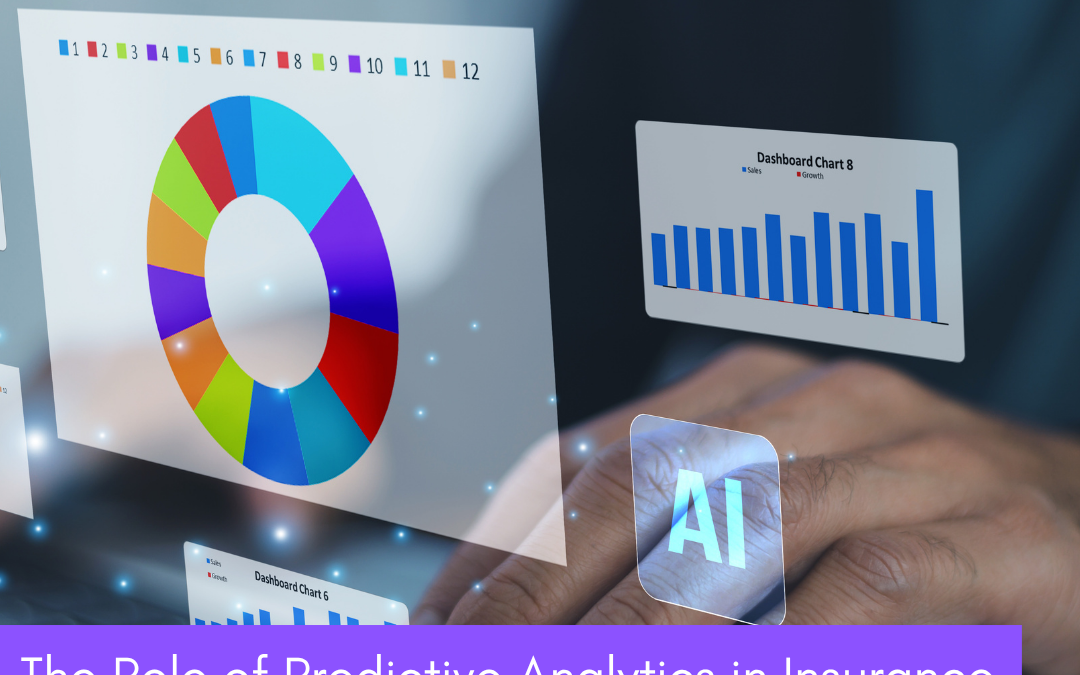
In today’s competitive insurance landscape, speed, accuracy, and customer satisfaction are no longer optional—they’re expected. Business Process Outsourcing (BPO) providers handling insurance claims are under constant pressure to process claims efficiently while minimizing fraud and operational costs. This is where predictive analytics has become a game changer.
What is Predictive Analytics?
Predictive analytics uses historical data, statistical algorithms, and machine learning techniques to forecast future outcomes. In the context of insurance claims, it helps anticipate claim behavior, identify risks, and guide decision-making before issues escalate.
Why It Matters in Insurance Claims BPO
Insurance claims BPO providers manage high volumes of claims across diverse categories—health, auto, property, and more. Traditional processing methods rely heavily on manual review and reactive decision-making. Predictive analytics transforms this model into a proactive, data-driven system.
Key Applications
1. Fraud Detection and Prevention
Fraud is a major concern in insurance claims processing. Predictive models analyze patterns from past fraudulent cases to flag suspicious claims in real time. This allows BPO teams to prioritize investigations and reduce financial losses.
2. Claims Triage and Prioritization
Not all claims require the same level of attention. Predictive analytics helps categorize claims based on complexity, risk, and urgency. Simple claims can be fast-tracked, while high-risk cases receive deeper scrutiny.
3. Improved Turnaround Time (TAT)
By automating decision points and reducing manual intervention, predictive tools accelerate claims processing. Faster resolutions lead to higher customer satisfaction and reduced operational bottlenecks.
4. Cost Optimization
Predictive insights help allocate resources more effectively. BPO providers can forecast workload volumes, optimize staffing, and reduce unnecessary expenses tied to inefficient processes.
5. Customer Experience Enhancement
Predictive analytics enables personalized communication and faster claim settlements. Anticipating customer needs improves trust and retention—key metrics in the insurance industry.
Benefits for BPO Providers
- Higher accuracy in claims assessment
- Reduced fraud-related losses
- Enhanced operational efficiency
- Better compliance and risk management
- Scalable processes for handling large claim volumes
Challenges to Consider
While the benefits are clear, implementation isn’t without hurdles:
- Data quality and integration issues
- Regulatory and compliance concerns
- Need for skilled data professionals
- Initial investment in technology and infrastructure
Overcoming these challenges requires a strategic approach, including robust data governance and continuous model refinement.
The Future Outlook
As artificial intelligence and machine learning evolve, predictive analytics will become even more sophisticated. Real-time analytics, automation, and intelligent decision systems will redefine how insurance claims are processed in BPO environments.
Organizations that invest early in predictive capabilities will gain a competitive edge—delivering faster, smarter, and more reliable services.